Partial pulpotomy In Maxillary Premolars
About this video
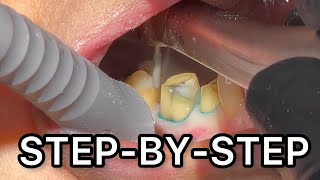
The video “ Partial pulpotomy In Maxillary Premolars” demonstrates a vital‑pulp therapy approach in two upper premolars diagnosed with irreversible pulpitis, using a partial pulpotomy technique with a tricalcium silicate‑based bioceramic material.
Clinical context and diagnosis
A 48‑year‑old patient presents with spontaneous pain in the upper left quadrant; both maxillary premolars have deep interproximal caries and pulp exposure, leading to a clinical diagnosis of irreversible pulpitis.
According to classical guidelines, mature teeth with irreversible pulpitis are usually treated with root canal treatment, but here the clinician attempts to preserve part of the pulp vitality instead.
Partial pulpotomy technique
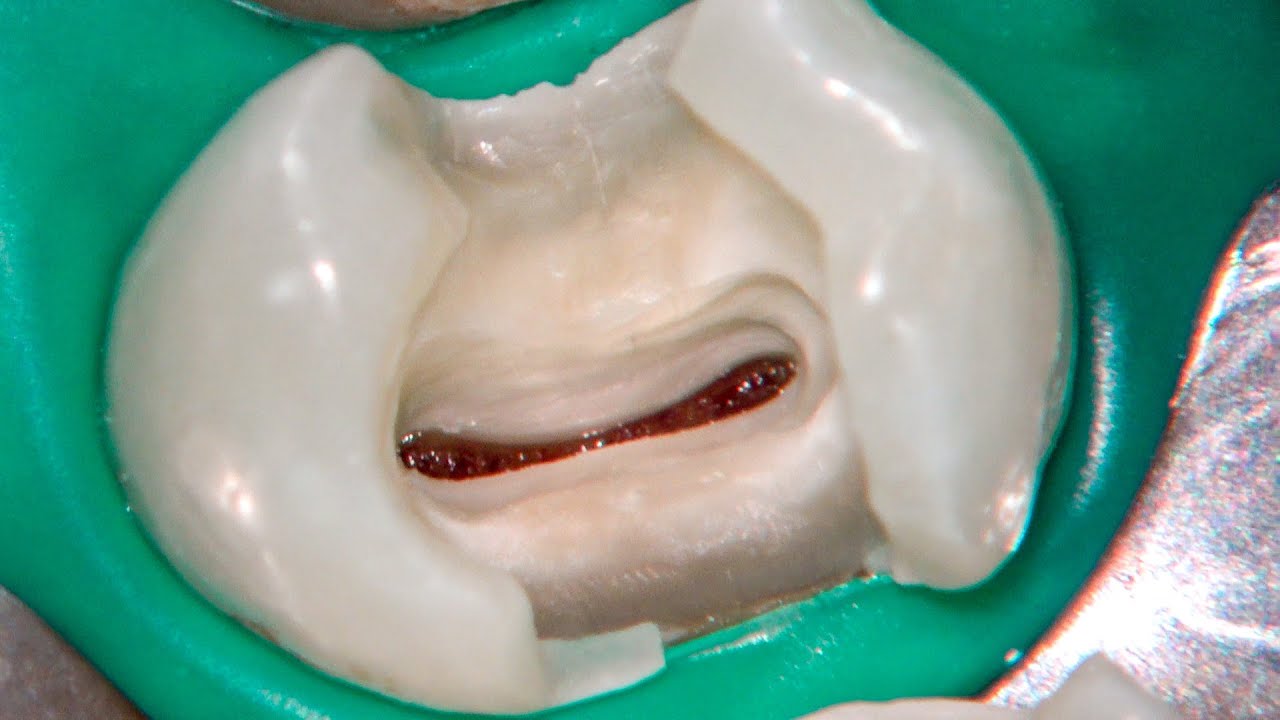
- After caries removal and pulp exposure, soft, partly necrotic tissue is carefully removed from the floor of the cavity; then the pulp chamber roof and a superficial layer of pulp are removed, creating a pulp wound.
- The wound is irrigated with 1% sodium hypochlorite, and successive layers of inflamed pulp tissue are shaved off until a homogeneous, blood‑filled pulp tissue surrounded by sound dentin and hemostasis is obtained.
Capping material and follow‑up
- The pulp wound is covered with a premixed tricalcium silicate‑based bioceramic material, and the cavity is temporarily restored with flowable composite to allow setting.
- After 24 hours, setting is confirmed and the tooth is built up with composite, leaving an occlusal access cavity sealed with IRM; the patient returns after 3 months with no pain or discomfort and normal radiographic findings around both premolars.
Histological outcome and conclusion
- At re‑entry after 3 months, the bioceramic material is removed, revealing a homogeneous, mineralized tissue bridge that completely covers and isolates the pulp wound in both teeth.
- The video concludes that, by combining understanding of pulp pathology, meticulous microsurgical technique, and biocompatible/bioactive materials, it is possible to maintain vitality of most of the pulp tissue in teeth that would otherwise have been treated with full pulpectomy or root canal treatment.